HIGH-PROTEIN RECIPE BOOK
A Complete Nutrition Blueprint
A Complete Nutrition Blueprint
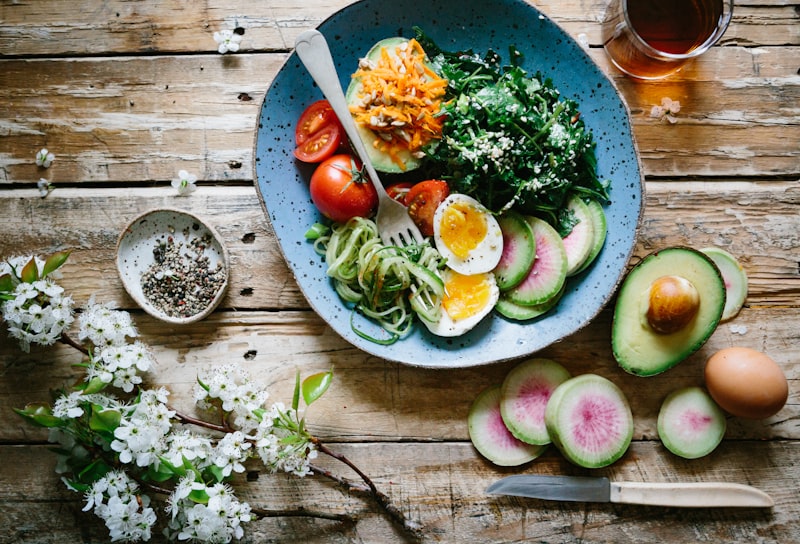
Nutrition is not about perfection. It's about consistency, balance, and understanding what fuels your unique body.
This guide represents years of research, coaching experience, and real-world application. It's designed to cut through the noise and give you a clear, actionable framework for sustainable nutrition.
The following pages will give you the tools to build a nutrition foundation that supports your goals, whether that's performance, body composition, or simply feeling your best every day.
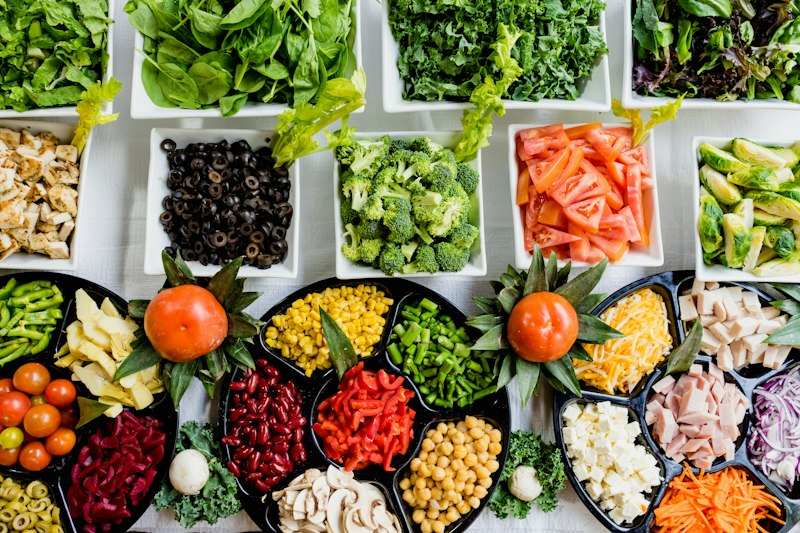
The three macronutrients — protein, carbohydrates, and fats — form the foundation of your nutrition strategy.
Role: Muscle repair, immune function, hormone production, satiety
Target: 0.8-1.2g per pound of body weight
Best sources: Lean meats, fish, eggs, Greek yogurt, legumes, tofu
Role: Primary energy source, brain function, workout performance
Target: 30-50% of total calories (adjust based on activity level)
Best sources: Whole grains, sweet potatoes, fruits, vegetables, oats
Role: Hormone production, nutrient absorption, cell structure, satiety
Target: 20-35% of total calories
Best sources: Avocados, nuts, olive oil, fatty fish, seeds
Remember: These are starting points. Your ideal macro split depends on your goals, activity level, and individual response.
When you eat can be just as important as what you eat, especially for performance and body composition goals.
Best for: Those who prefer larger, more satisfying meals and longer periods between eating.
Structure: Breakfast (7-9am), Lunch (12-2pm), Dinner (6-8pm)
Best for: Active individuals, those managing hunger, or people with high caloric needs.
Structure: Every 3-4 hours throughout the day
Best for: Those who prefer skipping breakfast and eating in a compressed window.
Structure: Eating window from 12pm-8pm, fasting 8pm-12pm
Pre-workout (1-2 hours before): Moderate carbs + moderate protein + low fat
Post-workout (within 2 hours): High protein + moderate-high carbs
Key Insight: Total daily intake matters more than precise timing. Choose a schedule you can maintain consistently.
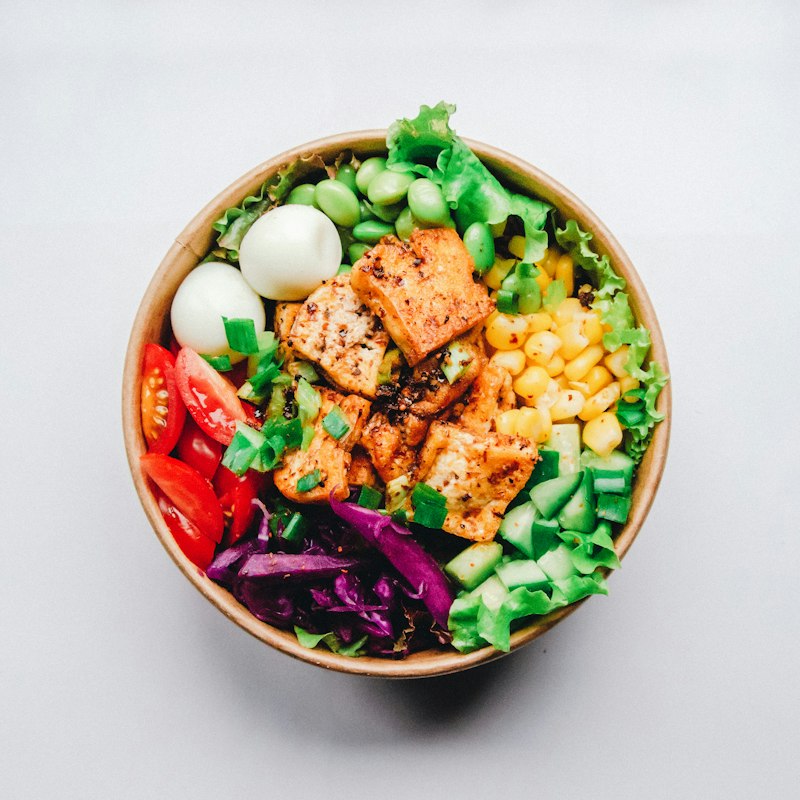
Three balanced meal examples to inspire your daily nutrition.
| Breakfast | 3 eggs, 2 slices whole grain toast, 1 cup berries, 1 tbsp almond butter |
| Lunch | 6oz grilled chicken, 1.5 cups brown rice, mixed greens salad, olive oil dressing |
| Dinner | 6oz salmon, 8oz sweet potato, roasted broccoli, 1/4 avocado |
| Snack | Greek yogurt with granola and honey |
| Breakfast | Protein smoothie: 2 scoops protein, banana, spinach, almond milk, oats |
| Lunch | 8oz lean ground turkey, quinoa bowl, black beans, peppers, salsa |
| Dinner | 8oz sirloin steak, roasted vegetables, small baked potato |
| Snack | Cottage cheese with almonds |
| Breakfast | Overnight oats with chia seeds, protein powder, berries, walnuts |
| Lunch | Tofu stir-fry with mixed vegetables, brown rice, sesame oil |
| Dinner | Lentil curry with chickpeas, cauliflower rice, naan bread |
| Snack | Hummus with vegetable sticks and whole grain crackers |
A complete 7-day framework for meal planning and preparation.
| Day | Breakfast | Lunch | Dinner |
|---|---|---|---|
| Monday | Egg scramble with vegetables | Chicken & quinoa bowl | Salmon with roasted vegetables |
| Tuesday | Greek yogurt parfait | Turkey wrap with side salad | Lean beef stir-fry |
| Wednesday | Protein smoothie bowl | Grilled chicken salad | Baked cod with sweet potato |
| Thursday | Oatmeal with protein powder | Tuna poke bowl | Turkey meatballs with pasta |
| Friday | Veggie omelet | Chicken burrito bowl | Grilled shrimp with rice |
| Saturday | Protein pancakes | Salmon salad | Lean steak with potatoes |
| Sunday | Breakfast burrito | Meal prep leftovers | Roasted chicken with vegetables |
Meal Prep Tip: Cook proteins and grains in bulk on Sunday. Store in portioned containers for quick assembly throughout the week.
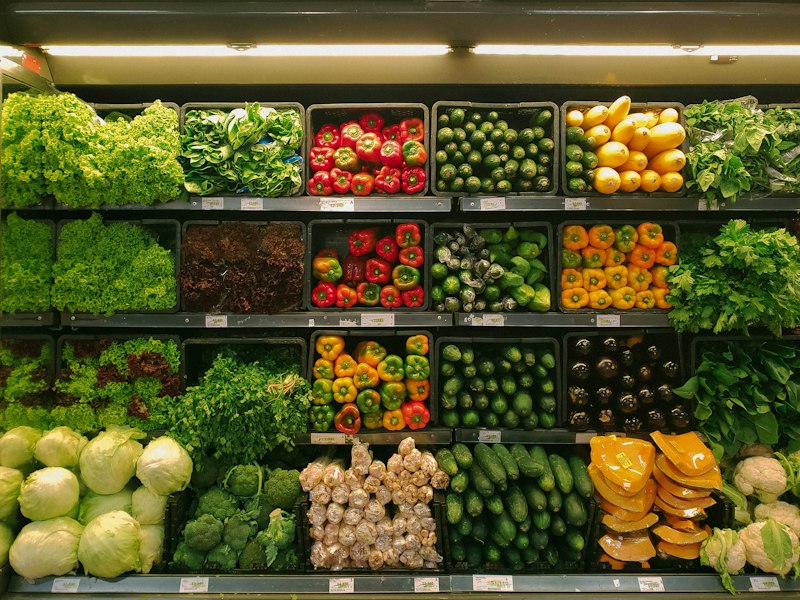
Your shopping foundation for sustainable nutrition.

Supplements should enhance an already solid nutrition foundation, not replace it.
Why: Convenient way to hit protein targets
Dosage: 1-2 scoops daily (20-40g protein)
Why: Most people are deficient; supports immune function and bone health
Dosage: 2,000-5,000 IU daily
Why: Anti-inflammatory, heart health, brain function
Dosage: 2-3g combined EPA/DHA daily
Why: Proven strength and muscle gains
Dosage: 5g daily
Why: Sleep quality, muscle recovery, stress management
Dosage: 300-400mg before bed
Important: Consult with a healthcare provider before starting any supplement regimen, especially if you have existing health conditions.
Aim for half your body weight in ounces as a baseline. A 180lb person should target 90oz (about 11 cups). Increase during exercise and hot weather.
Absolutely. The 80/20 rule works well: 80% whole, nutrient-dense foods, 20% flexibility for social occasions and foods you love. Consistency matters more than perfection.
Start with awareness, not obsession. Track for 1-2 weeks to understand portion sizes, then use that knowledge to eat intuitively. Tracking is a tool, not a lifestyle.
Alcohol impacts recovery, sleep quality, and fat loss. If you drink, limit to 2-3 servings per week and account for the calories (7 calories per gram of alcohol).
Energy and digestion improve within 1-2 weeks. Body composition changes become noticeable at 4-6 weeks. Sustainable transformation takes 12+ weeks of consistency.
No. Meal timing is personal. If you're not hungry in the morning, don't force it. Focus on total daily nutrition rather than arbitrary meal rules.
This framework adapts to any dietary approach — vegan, vegetarian, gluten-free, dairy-free. The principles remain the same; just swap protein and carb sources accordingly.
Knowledge without action is just information. Here's how to turn this guide into real results.
Take photos, measurements, and note your current energy levels. Track your food for 3 days to understand your baseline.
Pick a meal frequency and timing approach that fits your lifestyle. Commit to it for at least 4 weeks before adjusting.
Use the grocery lists to fill your kitchen with the right foods. Remove temptations that don't serve your goals.
Every Sunday, plan your meals for the week ahead. Batch cook proteins and grains to save time.
This guide gives you the foundation, but personalized coaching takes you further faster.
Work with me to get:
"The body you want tomorrow is built by the choices you make today."
Thank you for investing in your health.
— Coach Ada